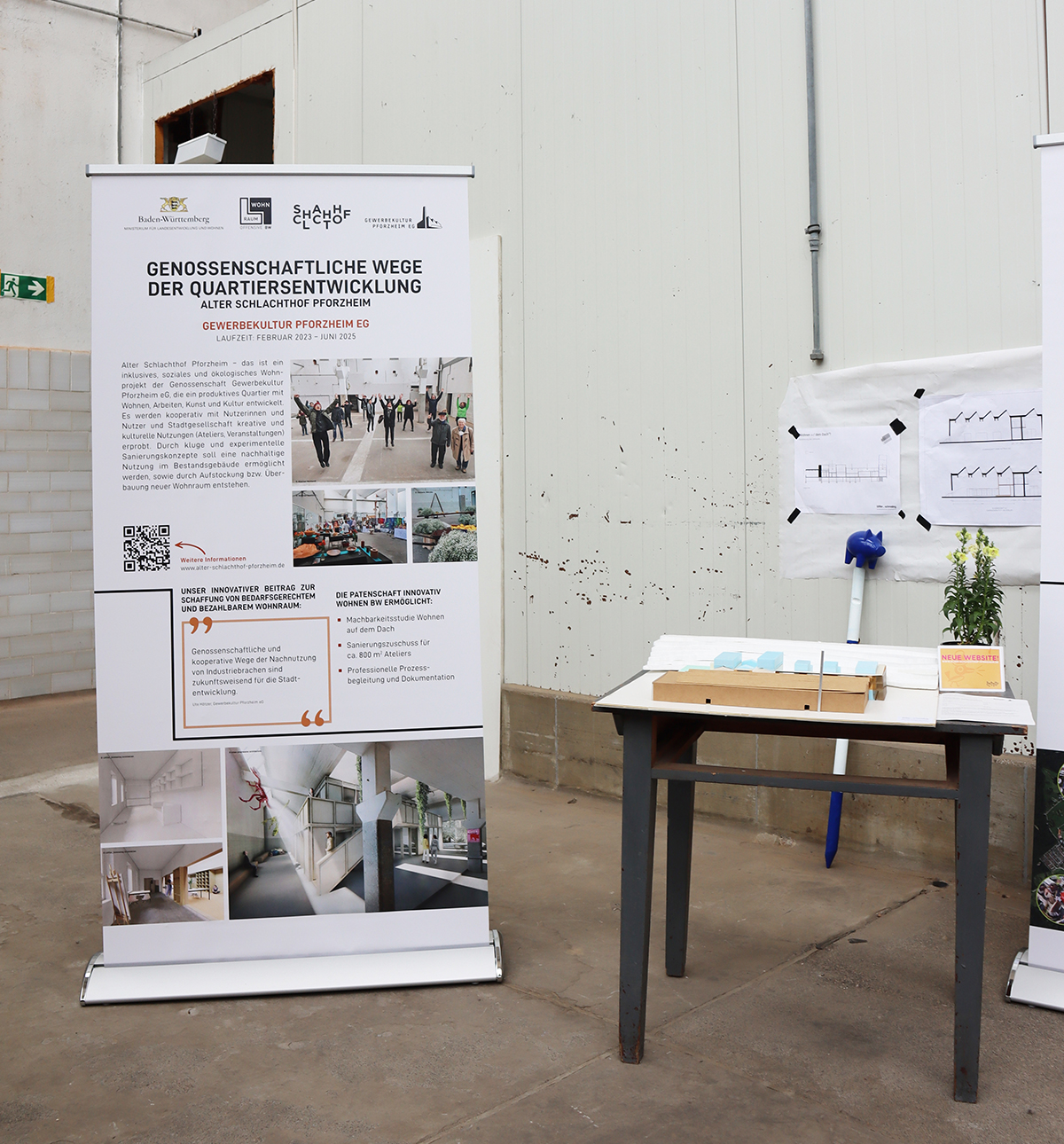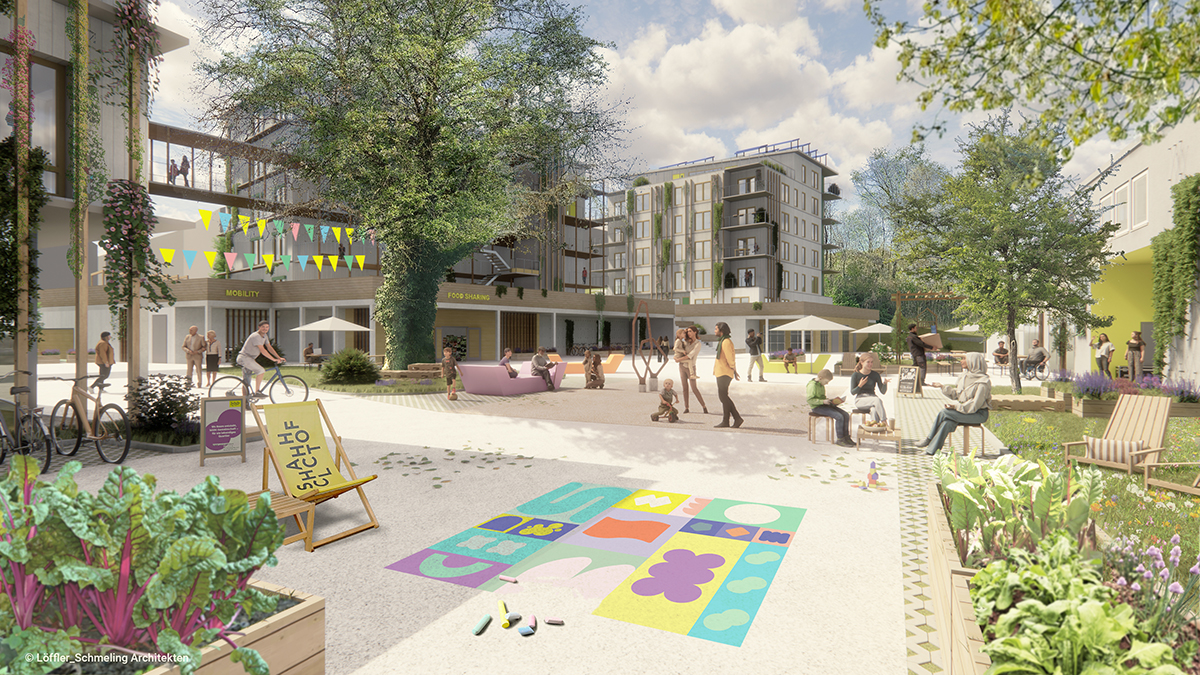
The aim of the Gewerbekultur co-operative is to develop the derelict site of the Old Slaughterhouse in Pforzheim in a socially responsible, environmentally friendly and collaborative manner. The site, which will feature a mix of commercial premises, studio spaces, social facilities and inclusive housing models, is to be developed into a vibrant, eco-friendly and community-oriented place.
Living and working foster art and culture. This is the guiding principle of the Gewerbekultur Pforzheim e.G. co-operative for the development of Pforzheim’s Old Slaughterhouse.
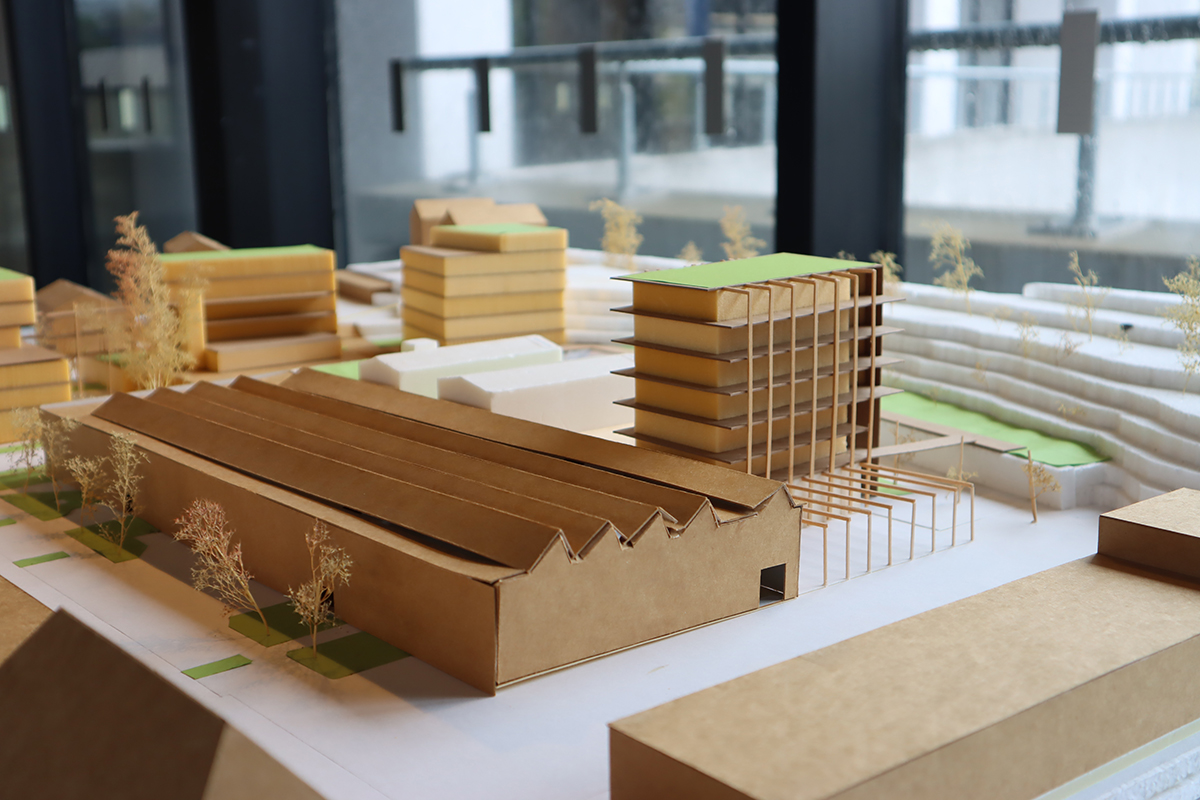
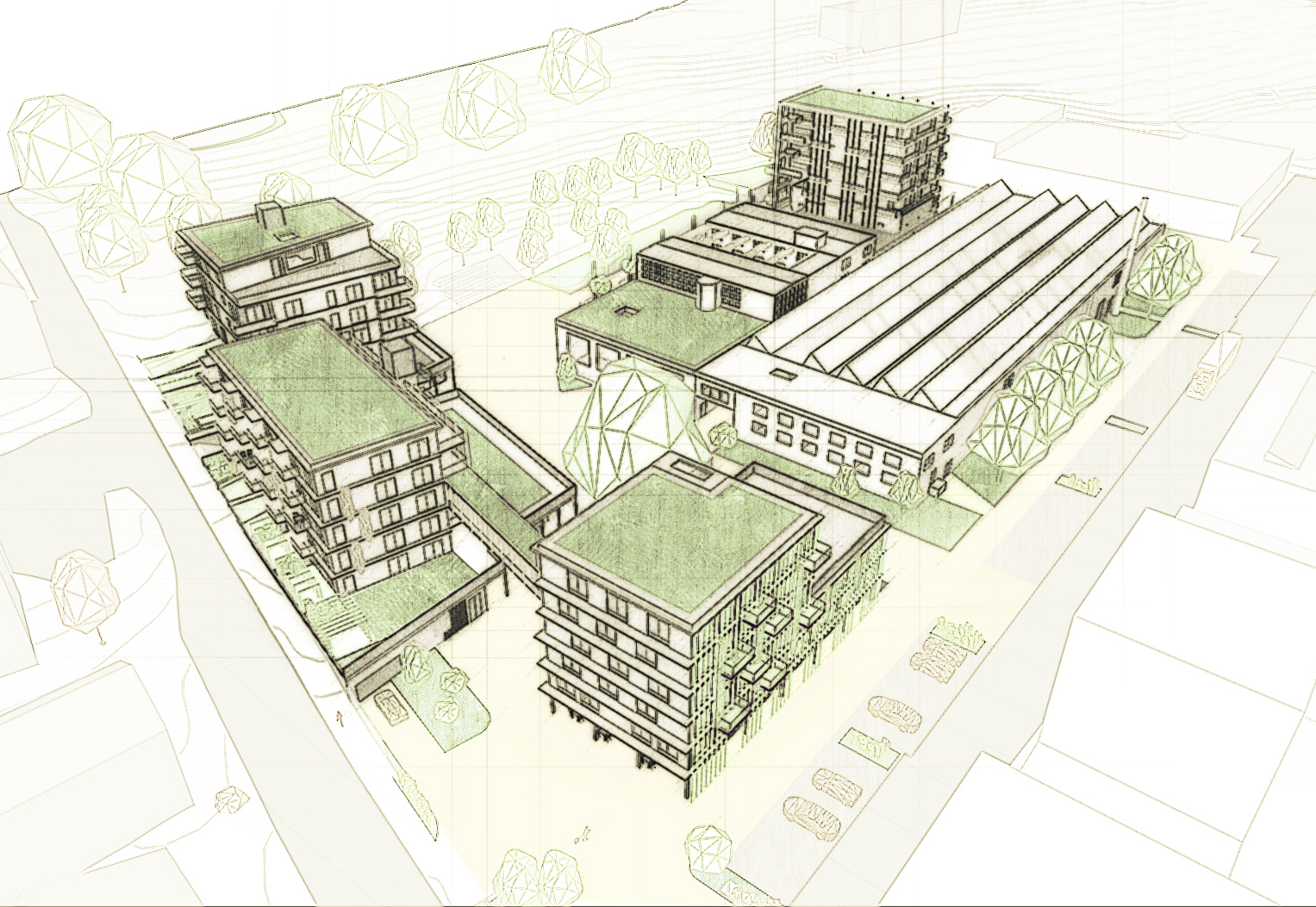
As an office, we were commissioned with the complete process management of the state-funded revitalisation process to develop a new lively, ecological and cooperative quarter in and around the Alter Schlachthof together with the Gewerbekultur Pforzheim e.G. cooperative. This includes the planning for the interim use of the large halls of the former abattoir for Gewerbekultur Pforzheim e.G., the preparation of a feasibility study to determine and present the potential of „living on the roof“ and the urban development (development plan procedure) of the entire site as a mixed area for “living, working, art and culture“. The aim is to revitalise the site with a mix of commercial uses, studios, social facilities and inclusive housing models. This will create added value for the immediate neighbourhood and the city of Pforzheim.
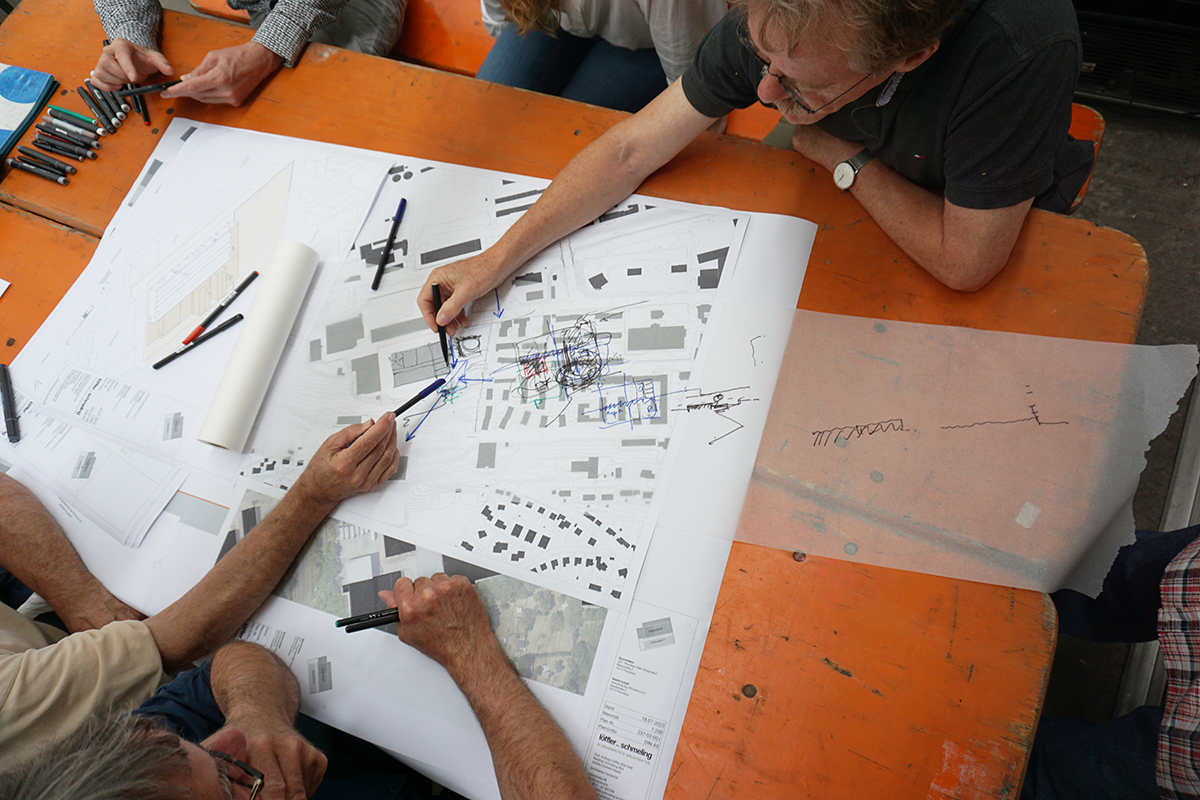
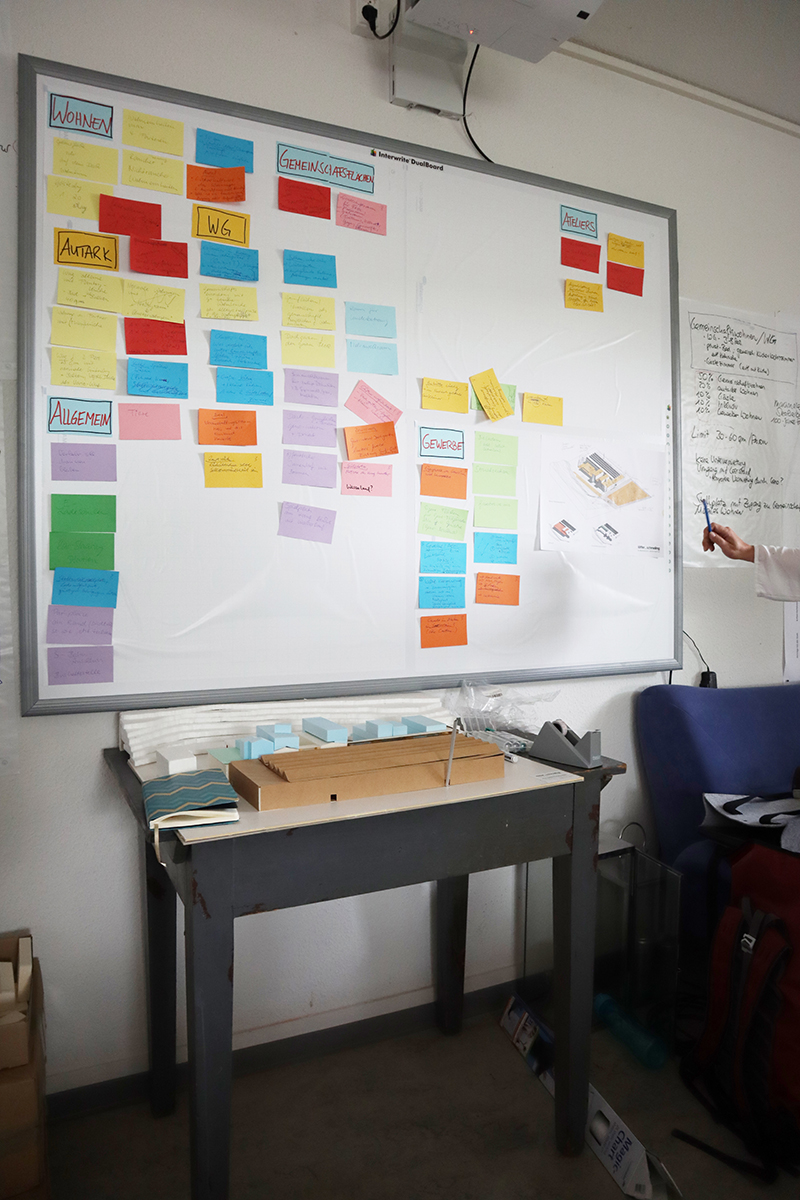
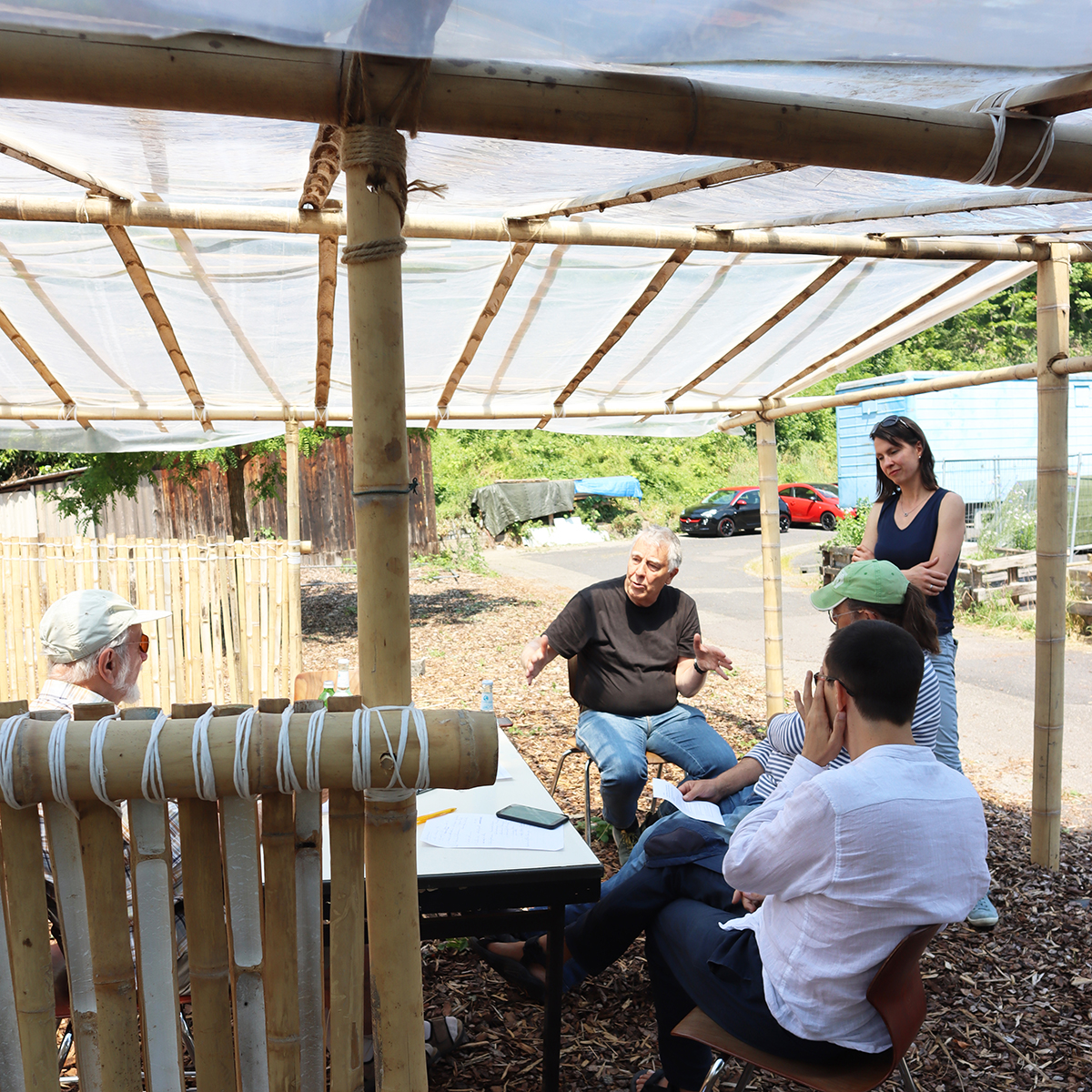
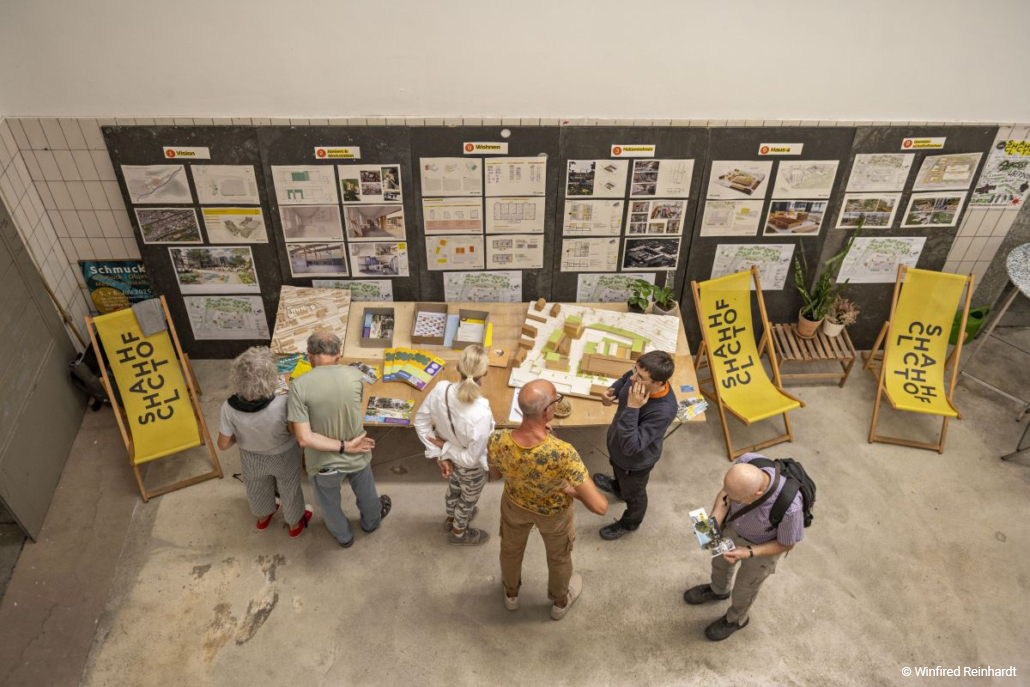
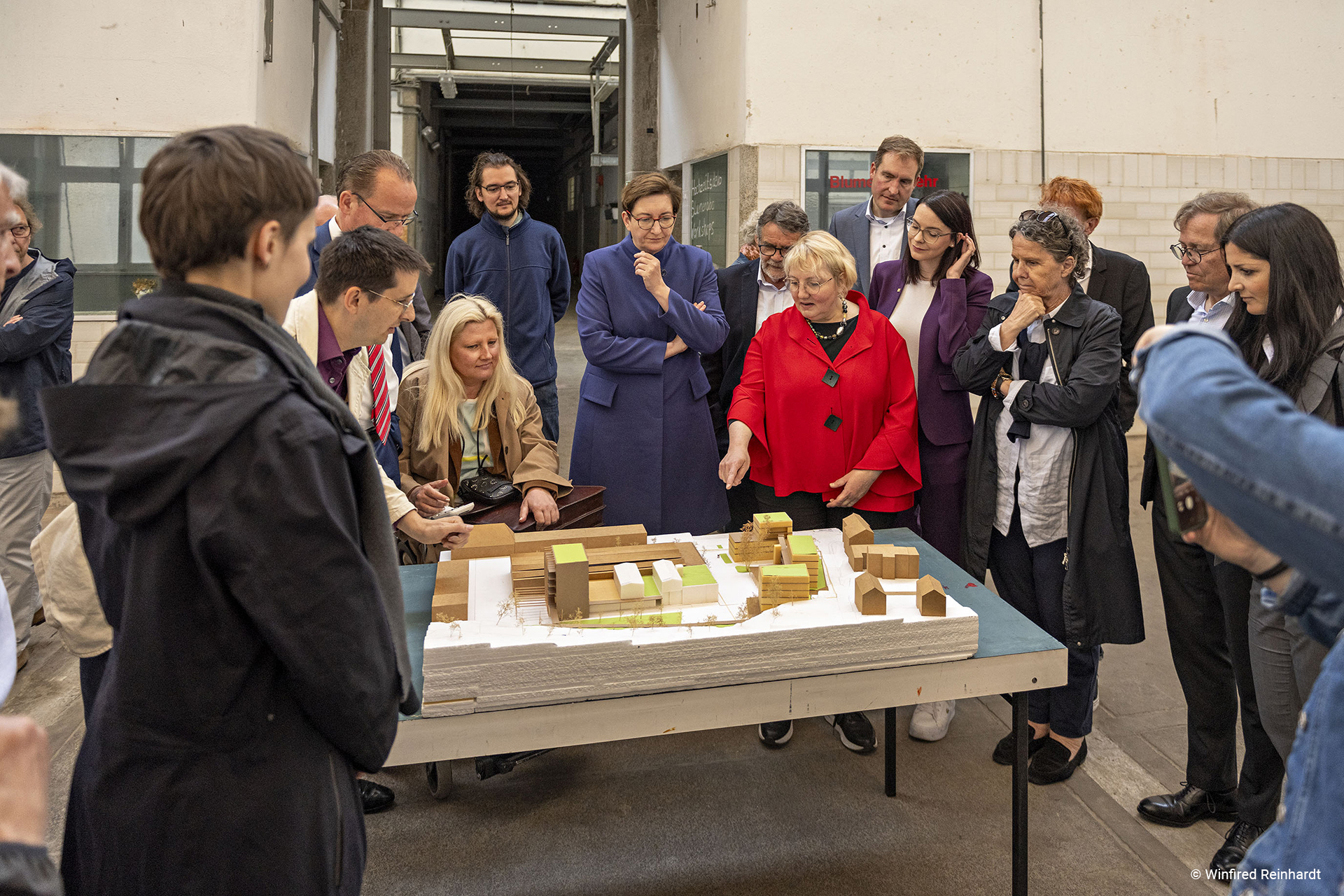
As part of a dialogue-based approach to project support, we work collaboratively with users, neighbours and the wider community to explore creative and cultural uses and to facilitate regeneration plans for artists’ studios and housing. The aim is to ensure that the existing building, dating from the 1950s, can be used sustainably by utilising ecological and regional materials and by retaining and upgrading as much of the existing structure as possible. The project’s content was developed through various participatory formats, including an ideas workshop and a range of workshops with co-operative members and interested parties.
What sets this project apart is its dynamic, collaborative and participatory approach to project development, in which many processes are carried out in parallel, and different options are tested and discussed collectively. In this project, we are acting as the lead planner alongside MSing Cordoba Löffler GmbH, providing comprehensive process support and project coordination across all relevant trades and planning phases from a single source. This form of process management is scalable in key respects and can be applied to other similar projects undertaken by local authorities and companies that regard the regeneration of old commercial properties as appropriate and sustainable.
The aim of the Gewerbekultur co-operative is to develop the derelict site of the Old Slaughterhouse in Pforzheim in a socially responsible, environmentally friendly and collaborative manner. The site, which will feature a mix of commercial premises, studio spaces, social facilities and inclusive housing models, is to be developed into a vibrant, eco-friendly and community-oriented place.
Living and working foster art and culture. This is the guiding principle of the Gewerbekultur Pforzheim e.G. co-operative for the development of Pforzheim’s Old Slaughterhouse.
As an office, we were commissioned with the complete process management of the state-funded revitalisation process to develop a new lively, ecological and cooperative quarter in and around the Alter Schlachthof together with the Gewerbekultur Pforzheim e.G. cooperative. This includes the planning for the interim use of the large halls of the former abattoir for Gewerbekultur Pforzheim e.G., the preparation of a feasibility study to determine and present the potential of „living on the roof“ and the urban development (development plan procedure) of the entire site as a mixed area for “living, working, art and culture“. The aim is to revitalise the site with a mix of commercial uses, studios, social facilities and inclusive housing models. This will create added value for the immediate neighbourhood and the city of Pforzheim.
As part of a dialogue-based approach to project support, we work collaboratively with users, neighbours and the wider community to explore creative and cultural uses and to facilitate regeneration plans for artists’ studios and housing. The aim is to ensure that the existing building, dating from the 1950s, can be used sustainably by utilising ecological and regional materials and by retaining and upgrading as much of the existing structure as possible. The project’s content was developed through various participatory formats, including an ideas workshop and a range of workshops with co-operative members and interested parties.
What sets this project apart is its dynamic, collaborative and participatory approach to project development, in which many processes are carried out in parallel, and different options are tested and discussed collectively. In this project, we are acting as the lead planner alongside MSing Cordoba Löffler GmbH, providing comprehensive process support and project coordination across all relevant trades and planning phases from a single source. This form of process management is scalable in key respects and can be applied to other similar projects undertaken by local authorities and companies that regard the regeneration of old commercial properties as appropriate and sustainable.